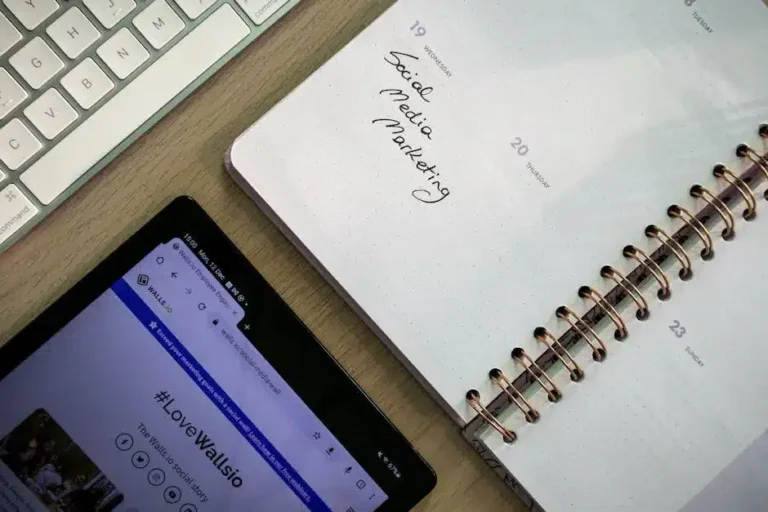
Online audience engagement framework for sustainable growth
An online audience engagement framework connects listening, content, conversation, conversion, follow-up, and measurement across the channels your audience uses. The goal is not to master every platform. It is to build a reliable relationship system the business can operate.

Use this framework to give each channel a job and protect qualified interactions from getting lost.
1. Listen before publishing
Capture questions and language from discovery calls, client sessions, email replies, search queries, comments, direct messages, and support conversations.
Record the source, exact question, buyer stage, topic, and action it influenced. Listening turns audience interaction into business intelligence.
2. Define the audience and engagement mission
State the person’s business stage, costly problem, current belief, and decision. Then choose the job engagement must do.
The mission may be to learn audience language, build recognition, answer buyer questions, strengthen referrals, reengage subscribers, or move qualified people into a relevant next step.
3. Assign every channel one primary role
| Channel | Primary engagement role |
|---|---|
| Website | Answer high-intent questions and explain the offer |
| Search | Connect buyer questions with useful resources |
| Social media | Build recognition, authority, and relationships |
| Support direct, permission-based communication | |
| Live sessions | Create focused interaction and decision support |
| Private community | Support deeper conversation with clear boundaries |
| CRM | Protect context, ownership, and follow-up |
You do not need all seven. Choose channels according to audience behavior, business objective, and capacity.
4. Create content around buyer decisions
Content should help the audience recognize the problem, compare options, understand the method, evaluate proof, or implement a next step.
Use formats that fit the complexity: short posts for one idea, articles for deeper decisions, video for demonstration, email for context, and live sessions for interaction.
5. Invite useful participation
Use experience-based questions, choose-one audits, short implementation sprints, office hours, and decision polls.
Avoid “Who agrees?” or irrelevant giveaways. The response should teach the audience or improve the business’s understanding of the problem.
6. Respond with depth and respect
Answer substantive comments and questions. Continue in direct messages only when context supports it. Deliver promised resources before suggesting a service.
Templates can support speed, but the response must fit the person. Automation should not make her feel processed.
7. Move qualified context into the CRM
Record the source, need, consent, stage, owner, next action, and deadline. This prevents the relationship from depending on the founder’s memory or a social inbox.
The CRM is not only for sales. It preserves the context required to serve and follow up well.
8. Build a value-first conversion path
Match the next step to the buyer stage. An audit can follow a diagnostic article. A guide can follow a comparison. A relevant conversation can follow a high-intent method explanation.
Give a shit before you pitch. Deliver value, understand the need, and present the offer only when it fits.
9. Set community and access boundaries
Online engagement can create expectations of constant availability. Define response times, moderation rules, direct-message boundaries, privacy, and escalation procedures.
A private group or messaging channel is an operating commitment. Open it only when the business has capacity to serve it.
10. Connect engagement to customer experience
Online engagement continues after the sale. Onboarding, education, support, milestone communication, feedback, and referral resources should match the promise made before purchase.
Customers are part of the audience, not a separate group that stops needing useful communication.
11. Measure quality across the framework
Listening: Useful questions and patterns captured. recognition: Qualified reach and profile visits. usefulness: Saves, shares, replies, and resource visits. relationships: Substantive conversations and referrals. lead generation: Qualified leads by source. follow-up: Response time and task completion. sales: Pipeline movement and conversion. customer experience: Adoption, retention, feedback, and referral.
Review who engaged, what she needed, and what happened next.
12. Run a monthly engagement sitrep
Ask:
Which audience questions repeated?. which channels performed their assigned jobs?. which content supported real decisions?. which relationships deepened?. where did qualified interest enter?. which handoff failed?. what should the business repeat, stop, or test?. who owns the next action?.
Build the online engagement workflow
Listen and capture audience evidence. choose one engagement objective. select the channel with the right role. create one useful anchor idea. invite proportionate participation. respond and follow through. record qualified context. move the person into a relevant next step. review the evidence and improve the process.
Common online engagement mistakes
Watch for opening too many channels, posting without listening, engagement bait, automated pitches, and several competing calls to action.
Other failures include:
No CRM ownership. no response standards. no community boundaries. measuring only platform reactions. ignoring customers after purchase. outsourcing before documenting the voice. treating every reply as permission to sell.
Prioritize the broken handoff
If people do not stop, improve recognition. If they read but do not respond, invite useful participation. If they engage but do not move, test the next step. If leads disappear, repair follow-up. If the community overwhelms the owner, set boundaries and simplify.
Fix the closest broken point to business movement before increasing volume.
Build engagement the business can sustain
An online audience engagement framework connects every channel to a relationship job and every qualified interaction to an owned next step. The result is not constant conversation. It is consistent, useful connection.
If your audience responds but the pipeline does not move, identify the broken handoff. Contact DeBella DeBall Designs to build the next right system.