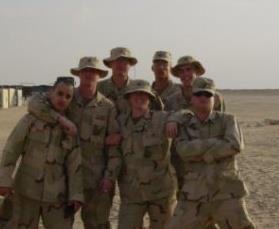
Veteran business coaching benefits for mission-driven founders
Veteran business coaching benefits come from translating military leadership into better business decisions, clearer priorities, and repeatable execution. The value is not motivation or a dramatic promise to transform your trajectory. It is disciplined support that helps the founder identify the constraint and carry out the next mission.
A veteran coach can understand the context of service and transition. That shared context can shorten explanations, but it is not enough by itself. The coach must also understand the business model, market, and problem you need to solve.
1. Faster translation from military leadership to business
Veterans already know how to assess a mission, lead people, manage risk, and execute under pressure. Business coaching helps translate those strengths into commercial systems.
Mission planning becomes a 90-day business priority. standard operating procedures become sales and delivery workflows. after-action reviews become business performance reviews. accountability becomes clear ownership and deadlines. risk assessment becomes controlled testing.
The benefit is a shorter distance between what the founder already knows and what the business needs.
2. Clearer identification of the primary constraint
The founder may believe she needs more leads when the offer is unclear or follow-up is broken. A coach asks for evidence across the client journey and helps separate symptoms from the root issue.
This protects the business from adding tactics that create more work without solving the problem.
3. Fewer competing priorities
Veteran entrepreneurs often have the discipline to execute. The harder question is what deserves execution now.
Coaching establishes the mission, no more than a few supporting priorities, and a stop-doing list. The founder leaves with an order of operations instead of a larger collection of ideas.
4. Better leadership decisions
A founder needs a place to examine assumptions, consequences, capacity, and tradeoffs before committing resources. A strong coach challenges the story without making the owner feel small.
The coach does not make every decision. She improves the founder’s ability to make and own the decision.
5. Stronger accountability between sessions
Accountability is not checking whether a task box was marked. It means comparing the agreed mission with the evidence.
A useful coaching rhythm includes:
Actions with owners and deadlines. definitions of done. execution between sessions. a sitrep on results and obstacles. adjustment based on evidence. documentation of the new standard.
If the same commitment returns every call, the plan, capacity, or accountability structure needs to change.
6. A more reliable client journey
Coaching can help the founder connect visibility, trust, lead capture, sales follow-up, delivery, and referral. Each stage needs a purpose, owner, and measure.
This is especially valuable for a business that is active on social media and networking but cannot predict where the next client will come from. The coach helps examine the system beneath the activity.
7. Better use of tools and resources
Veteran founders have access to networks, programs, certifications, technology, and training. The volume can become another distraction.
A coach helps evaluate each resource against the mission. Does it create buyer access, close a capability gap, support the current business model, or consume time without a defined return?
The same rule applies to technology. Map the workflow before selecting the CRM, automation, platform, or AI tool.
8. More sustainable founder capacity
Military experience can reinforce the belief that the leader should absorb the pressure. In business, that can turn the founder into the only functioning system.
Coaching helps identify work to document, delegate, automate, or stop. It also connects growth targets with delivery capacity so the company does not sell work it cannot serve well.
9. An honest performance review
The coach provides a consistent place to review the numbers and decisions. Useful measures may include:
| Area | Evidence |
|---|---|
| Offer | Qualified buyer response and sales-call fit |
| Lead generation | Qualified leads by source |
| Follow-up | Response time, task completion, and pipeline movement |
| Sales | Conversations, conversion, and cash collected |
| Delivery | Capacity, quality issues, and retention |
| Leadership | Owner workload and unresolved decisions |
The report should end with a decision, not another dashboard nobody uses.
10. Support that respects the founder’s identity without exploiting it
A veteran coach can understand why certain language, systems, or transition experiences matter. She should not turn service history into the entire brand or use military metaphors as decoration.
The founder’s background supports the story when it explains the method, standards, or point of view. The customer’s problem and decision remain central.
Veteran coaching vs. general business coaching
The difference is context, not automatic quality. A veteran coach may understand service culture, transition, veteran networks, and the way leadership habits transfer. A general business coach may bring deeper experience in a particular industry, growth stage, or business model.
Choose based on the mission. Shared identity can strengthen trust, but expertise, process, ethics, and fit still matter.
Questions to ask before hiring a veteran business coach
Which business models and stages do you serve?. how do you diagnose the primary constraint?. what happens between sessions?. how are decisions and actions documented?. which metrics will we review?. where does coaching stop and consulting begin?. how do you handle missed commitments?. what support do you not provide?. what must I bring to make the engagement useful?.
Avoid guaranteed revenue, vague transformation claims, and pressure to buy before the coach understands the business.
How veteran business coaching benefits show up in the numbers
Look for operational evidence:
Decisions happen faster and use better information. the business has fewer competing priorities. actions have owners, deadlines, and clear standards. the offer and client journey become easier to explain. lead follow-up becomes consistent. the same constraint stops returning. the founder has more leadership capacity.
Feeling supported matters. The business should also operate differently.
Use coaching for the mission it can solve
Veteran business coaching benefits the founder when the engagement connects context with business evidence, decisions, execution, and accountability. It cannot replace technical implementation, legal or financial advice, or capacity the business does not have.
If the same business problem keeps returning despite hard work, identify the system underneath it. Contact DeBella DeBall Designs to discuss the constraint and determine the right next move.