
Veteran entrepreneur leadership skills can create real business advantages when they are translated into commercial decisions, team systems, and client value. Military service does not guarantee entrepreneurial success, and veterans are not one uniform group.
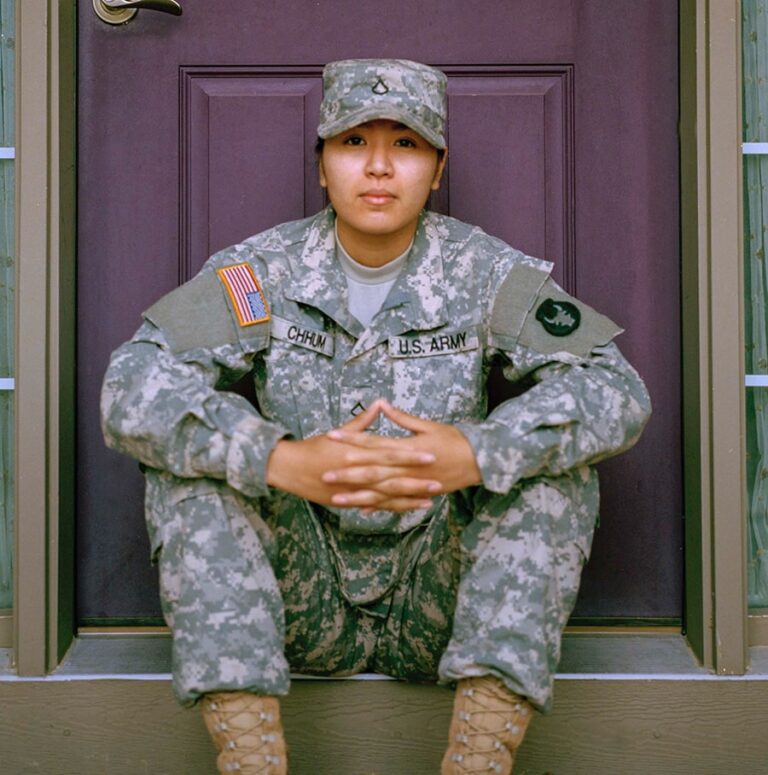
The useful question is not whether veterans are naturally better founders. It is how specific experiences can support a business and which gaps still require civilian market evidence, financial skill, sales practice, and support.
1. Mission planning supports clear priorities
Veterans may have experience turning an objective into phases, dependencies, roles, timelines, and contingencies.
Business translation
- Define one measurable objective.
- Sequence work in dependency order.
- Assign one owner to each action.
- Set decision points and guardrails.
- Create a stop-doing list.
A plan becomes useful when the team can execute it without constant reinterpretation.
2. Veteran entrepreneur leadership skills can create accountability
Military leadership often requires clear expectations, communication, coaching, and responsibility for outcomes. In business, those skills can support stronger delegation and team performance.
The translation must fit a civilian workplace. Employees are not service members. Use clear standards and care, not command-and-control habits that remove judgment or psychological safety.
3. Adaptability supports faster correction
Business conditions, buyer behavior, technology, and resources change. Veteran founders may bring experience assessing new information and adjusting the plan while protecting the mission.
Adaptability is not constant pivoting. Keep the objective stable long enough to gather evidence, then change execution when the facts require it.
4. Veteran entrepreneur leadership skills can strengthen operations
Experience with procedures, logistics, readiness, training, and risk can help founders build repeatable systems.
| Military experience | Business application |
|---|---|
| Standard procedures | Repeatable workflows and quality standards |
| Logistics | Capacity, suppliers, timing, and handoffs |
| Training | Onboarding and team readiness |
| Risk assessment | Earlier identification of threats |
| Readiness checks | Launch and delivery preparation |
The business still needs procedures that match its market, laws, tools, and people.
5. Veteran entrepreneur leadership skills support review
A structured review can help teams examine what happened, why it happened, and what changes next.
- What was the objective?
- What actually happened?
- Which assumptions were wrong?
- What worked and should repeat?
- What failed and must change?
- Who owns the next action?
The review should produce decisions, not blame.
6. Service orientation can strengthen client care
Veterans may bring a strong sense of responsibility and commitment to a mission larger than themselves. In business, that can support reliable delivery and thoughtful client relationships.
Care still needs boundaries, profitable pricing, clear scope, and capacity. Service does not require overdelivering until the founder burns out.
7. Composure can support difficult decisions
Experience operating under pressure may help a founder communicate clearly, assess priorities, and make decisions during uncertainty.
Business pressure is different from military operations. Strong leadership includes recognizing stress, using appropriate support, and avoiding the expectation that everyone should simply push through.
8. Team orientation can support partnerships
Veterans may value shared standards, trust, and coordinated execution. Those strengths can support strategic partnerships and cross-functional teams.
Do not assume shared veteran identity creates automatic fit. Define roles, incentives, authority, confidentiality, communication, and exit terms.
Gaps veteran entrepreneurs still need to address
Civilian buyer and market knowledge
Military experience does not replace customer interviews, competitive research, pricing evidence, or understanding a new industry.
Sales and marketing
Strong delivery will not create clients when the market cannot recognize the offer or leads disappear in follow-up.
Financial management
Revenue, cash, margin, taxes, payroll, and financing require specific business discipline and qualified professional support.
Delegation in a civilian workplace
Teams need context, decision rights, feedback, and standards that respect different backgrounds and working styles.
Founder health and support
Entrepreneurship can intensify isolation and stress. Build trusted peer, medical, mental-health, and professional support as appropriate. Seeking help is responsible leadership.
Translate experience into market value
| Weak claim | Useful translation |
|---|---|
| I am disciplined | I use a weekly review and owned action system |
| I led teams | I build clear roles, standards, and feedback |
| I solve problems | I diagnose constraints and document decisions |
| I work under pressure | I protect priorities and communicate during change |
| I understand logistics | I plan capacity, dependencies, and handoffs |
Buyers and employees need observable value, not identity-based assumptions.
A veteran entrepreneur leadership skills audit
- Which military experiences apply directly?
- Which habits need adaptation?
- Which civilian market gaps remain?
- Can the team see objectives and ownership?
- Are procedures documented and usable?
- Do reviews produce decisions?
- Does service have healthy boundaries?
- What support does the founder need?
- Which evidence shows the leadership system works?
Resources for veteran entrepreneurs
The U.S. Small Business Administration veteran-owned business guide provides current links to training, Veterans Business Outreach Centers, funding information, and contracting resources. Verify eligibility directly.
Use programs that address a specific gap. Do not collect courses and communities without an implementation objective.
Common leadership mistakes
Watch for using military language as decoration, expecting civilian employees to operate like a unit, confusing endurance with capacity, making decisions without market evidence, and treating shared veteran identity as automatic trust.
Another mistake is carrying every responsibility because asking for support feels like weakness. Founder dependency is not a scalable leadership system.
Build the system around the strength
Veteran entrepreneur leadership skills create value when mission planning, accountability, adaptability, operations, review, service, composure, and teamwork are translated into business practices people can see and use.
If your leadership is strong but the company still depends on your personal effort to hold everything together, contact DeBella DeBall Designs. We will build the operating system underneath it.