Social media optimization that supports qualified client conversations
Social media optimization for entrepreneurs is the process of making every profile, post, and call to action support one clear business objective. It is not about feeding every platform with more content. It is about helping the right person understand who you serve, why your work matters, and what to do next.
At DeBella DeBall Designs, we start with the system underneath the posting schedule. A business can publish every day and still create no meaningful movement if the message is scattered, the profile is unclear, or interested prospects have nowhere useful to go.
What social media optimization means for an entrepreneur
Social media optimization is the deliberate improvement of your profiles, content, engagement, and conversion path. Each element should work together. Your profile establishes relevance. Your content demonstrates expertise. Your conversations build trust. Your call to action moves the right person into the next stage of the client journey.
Optimization is different from social media management. Management keeps the channel operating. Optimization examines whether the channel is doing the correct job for the business and improves it using evidence.
Step 1: Assign each platform a mission
Do not expect every channel to perform every function. Choose platforms based on the audience, your capacity, and the job each channel needs to do.
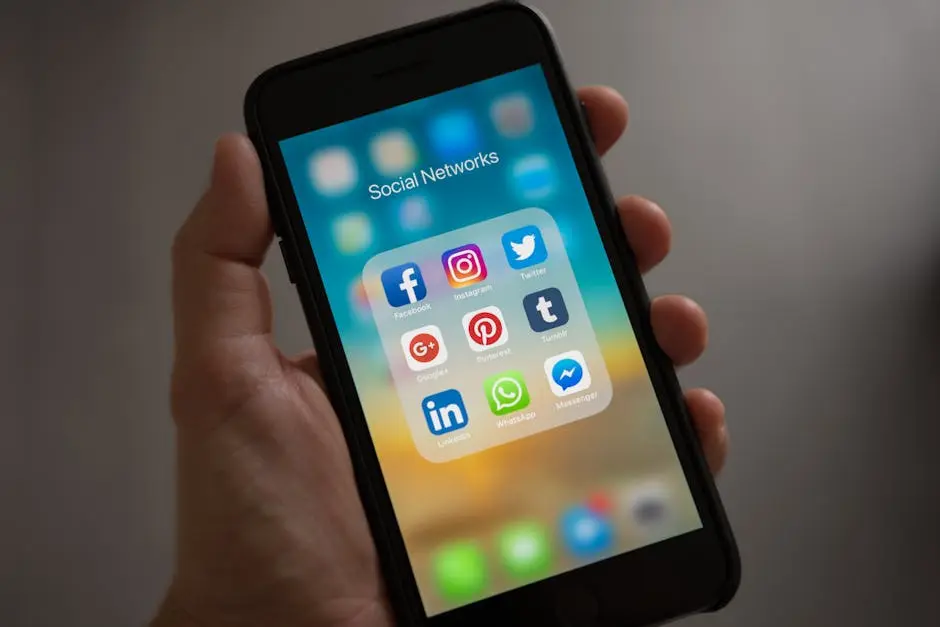
- LinkedIn can build professional relationships and subject-matter authority.
- Facebook can support conversation, community, and deeper relationship-building.
- Instagram can make ideas visible through concise teaching, stories, and visual proof.
- YouTube can answer high-intent questions with searchable, long-form instruction.
You do not need all four. One primary platform with a clear mission will outperform four neglected profiles. Document the audience, purpose, publishing rhythm, and next step for every channel you keep.
Step 2: Optimize the profile before the content
Your profile is a landing page. A visitor should understand the essentials in seconds:
- Who you help
- The expensive or urgent problem you solve
- The result your work supports
- Why you are qualified to help
- The next action to take
Use a current photo or recognizable brand image. Make the headline specific. Remove link clutter. Send visitors to one useful destination that matches the promise in your profile, such as a focused resource, service page, or consultation path.
Then check the entire route. The link must work on mobile, the page must load quickly, and the form or booking process must be clear. A polished profile cannot compensate for a broken conversion path.
Step 3: Build content around buyer questions
Content performs better when it answers the questions prospects ask before they hire. Review discovery calls, sales conversations, email replies, comments, and client onboarding notes. Those sources reveal the language your audience already uses.
Organize the questions into a small set of content lanes:
- Problem recognition: Help the reader identify what is actually wrong.
- Decision support: Explain options, tradeoffs, costs, and timing.
- Method: Show how you diagnose and solve the problem.
- Proof: Demonstrate the process through examples, decisions, or lessons without inventing results.
- Leadership: Share a firm point of view that helps the reader make a better decision.
This structure prevents random posting. It also gives one idea multiple useful forms. A detailed article can become a LinkedIn post, a short video, an email, and several discussion prompts without copying the same caption everywhere.
Step 4: Give each post one job
Before publishing, decide whether the post should create awareness, start a conversation, deepen trust, or invite a next step. One post does not need to do all four.
Use a direct opening that names a real situation. Teach one idea. Make the next step proportionate to the value delivered. A practical post may invite the reader to save it or answer a question. A decision-stage post may point to a detailed service page. Do not force a sales pitch onto every useful thought.
Step 5: Create an engagement operating procedure
Engagement is not a fifteen-minute performance after you post. It is relationship work. Build a repeatable routine that your calendar can support.
- Respond to substantive comments with an actual answer.
- Continue useful conversations in direct messages only when the context supports it.
- Comment thoughtfully on posts from prospects, peers, and referral partners.
- Record common questions for future content.
- Move qualified conversations into the CRM with a documented next action.
The last step matters. Social activity creates attention, but the business needs a follow-up system to protect the opportunity. If every conversation depends on memory, the platform is not connected to your operations.
Step 6: Measure movement, not applause
Likes can show resonance, but they do not prove the channel supports revenue. Track metrics according to the mission of the platform.
| Objective | Useful measures |
|---|---|
| Awareness | Qualified reach, profile visits, and relevant new followers |
| Authority | Saves, shares, meaningful comments, and return visitors |
| Relationship | Quality conversations, replies, and referral interactions |
| Lead generation | Link visits, form completions, booked calls, and qualified leads |
| Sales support | Pipeline movement, follow-up completion, and sourced clients |
Review the numbers monthly. Look for patterns across topics, formats, audience quality, and next-step behavior. Do not rebuild the strategy because one post underperformed.
Our social media optimization checklist
When DeBella DeBall Designs reviews a social presence, we ask:
- Is the audience specific enough to recognize herself?
- Does the profile state a clear problem and next step?
- Does each platform have a defined business role?
- Do the content lanes reflect real buyer questions?
- Is there a consistent path from content to conversation?
- Are leads captured and followed up inside the CRM?
- Can the owner sustain the publishing and engagement rhythm?
- Do the reported metrics match the platform’s mission?
This audit exposes whether the constraint is messaging, content, conversion, follow-up, or capacity. Only then do we prescribe changes.
Common optimization mistakes
The most common mistake is treating volume as strategy. Other problems include copying trends that do not fit the audience, using vague calls to action, sending every post to a sales page, measuring only reach, and building a schedule the owner cannot sustain.
Another mistake is outsourcing the voice before documenting it. Support can make publishing easier, but the founder’s point of view, frameworks, language, and standards must be clear first. Otherwise, consistency becomes generic sameness.
Build a social system you can operate
Effective social media optimization for entrepreneurs creates clarity, connection, and a measurable path forward. It turns social media from a daily guessing game into one working component of the marketing system.
If you are posting consistently but still cannot trace attention to qualified conversations, inspect the infrastructure. Contact DeBella DeBall Designs to identify the constraint and determine the right next move.